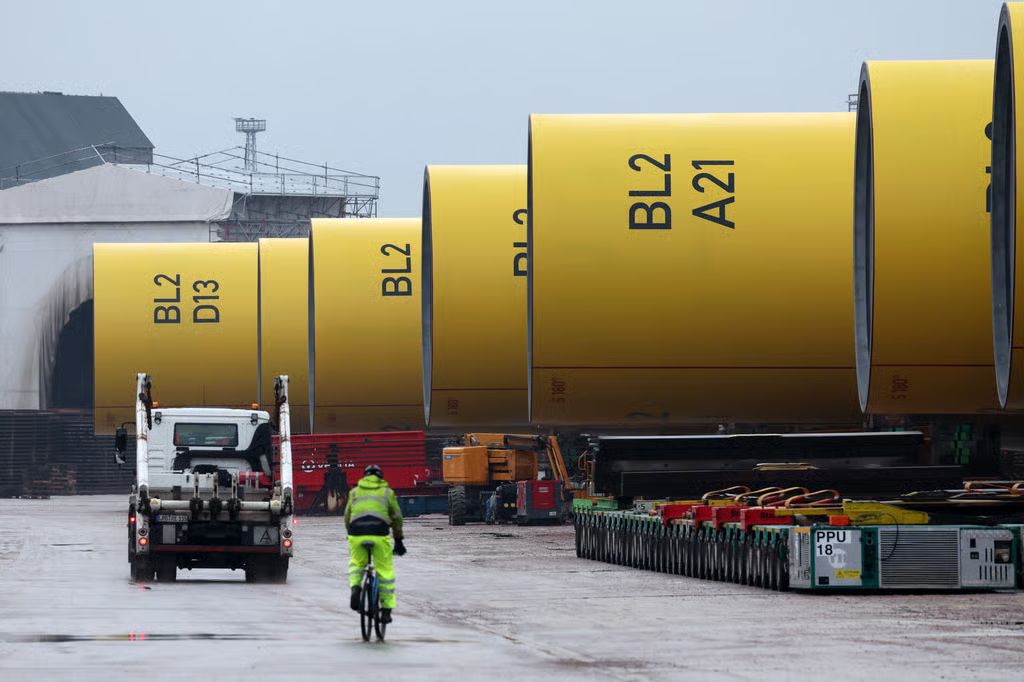
U.S.-Iran MOU tension points are in Lebanon, says Columbia’s Karen Young
Karen Young, Columbia University, joins 'Power Lunch' to discuss the latest agreement between the U.S. and Iran, what could terminate the MOU and much more.
Get the latest as our experts share their insights on global energy policy.
Critical minerals were once again near the top of the agenda for G7 leaders as they met in Évian, France, this week, a year after the G7 launched the Critical Minerals Action Plan.

Hear in-depth conversations with the world’s top energy and climate leaders from government, business, academia, and civil society.
Yesterday, the US and Iran signed a memorandum of understanding starting the clock on a 60-day truce. The agreement intends to halt attacks, begin lifting the US naval...
Find out more about our upcoming and past events.
This event will take place in-person in Washington DC, at the Rayburn House Office Building, Room 2168 (Gold Room). Advance registration is required. Announcing New Columbia University Publications...
Senior Vice President and Chief Security Officer, North American Electric Reliability Corporation
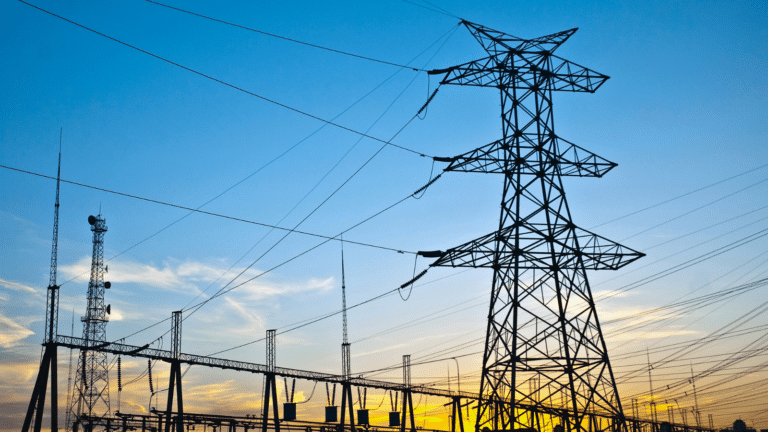
From a cyber attack this summer against at least a dozen power companies including the Wolf Creek Nuclear plant in Kansas, to continued assaults on Ukraine’s power grid by hackers, the need for increased cybersecurity measures to protect the grid and related components, like power generation, transition and distribution, has never been more real. Just this month the Trump Administration announced it is giving awards worth as as much as US$50 million to national laboratories for energy infrastructure resilience and cybersecurity projects.
To learn what these growing threats mean to the security of U.S. energy infrastructure, how well prepared private and public entities are for such attacks, and the role of public policy to prevent them, host Bill Loveless speaks with Marcus Sachs, Senior Vice President and Chief Security Officer for the North American Electric Reliability Corporation, a not for profit regulatory authority responsible for assuring the reliability and security of the power system in the U.S., Canada, and Mexico. Marc was a White House appointee in the George W. Bush administration, Vice President for National Security at Verizon, and he is a retired U.S. Army Officer and author of several books on information security.
Yesterday, the US and Iran signed a memorandum of understanding starting the clock on a 60-day truce. The agreement intends to halt attacks, begin lifting the US naval...
The 109-day-old Iran crisis is heading toward an off-ramp in the form of a not-yet-public Memorandum of Understanding to reopen the Strait of Hormuz. While energy markets are...

The clean energy transition had real momentum at the end of 2024. It was buoyed by federal support, billions of dollars of investment in new technologies, and broad...

For years, the energy transition was discussed as a shift that would happen in steady, predictable increments. But a massive surge in electricity demand in recent years—now colliding...

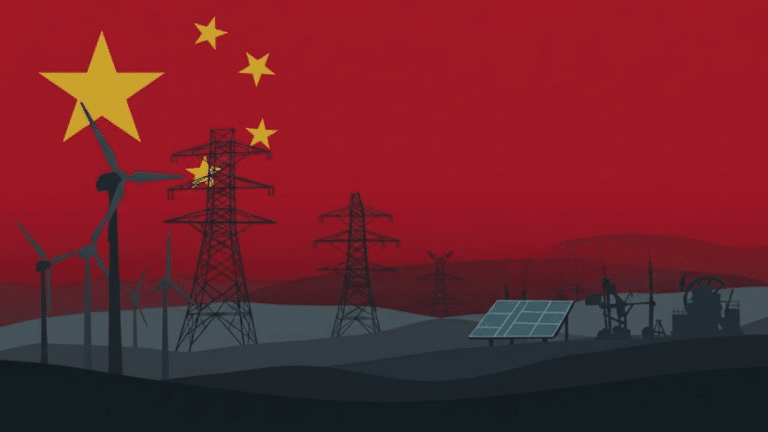
Two economic planning documents released at the March meeting of China's National People’s Congress include the term "energy powerhouse" for the first time.
Within days of the initial U.S. and Israeli attack on Iran on February 28, 2026, the world was plunged into an energy crisis.
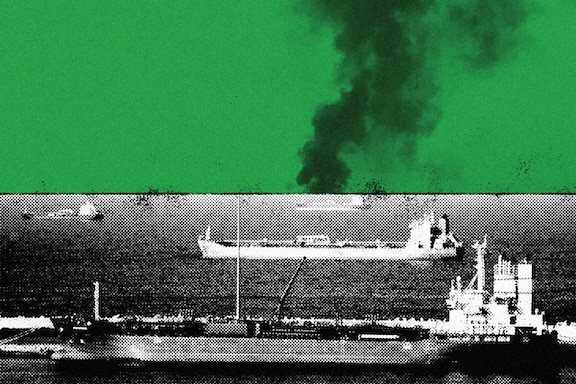
The war in Iran is not just another energy shock. It is arriving at a moment when Europe is already under cumulative strain: a war on its eastern border, the lingering aftershocks of the 2022 energy crisis, industrial decline, political fragmentation, fiscal limits, and a widening debate over how much of its own security it must now provide.
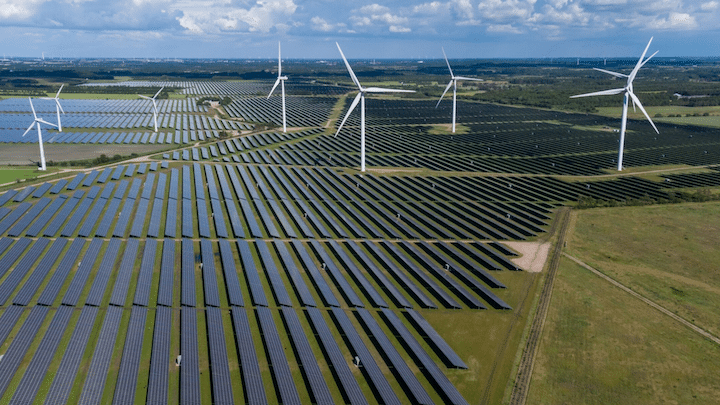
Without transatlantic alignment, we risk forfeiting the very advantages our alliance was built to protect.