This website uses cookies as well as similar tools and technologies to understand visitors’ experiences. By continuing to use this website, you consent to Columbia University’s usage of cookies and similar technologies, in accordance with the Columbia University Website Cookie Notice.
Energy Explained
Get the latest as our experts share their insights on global energy policy.
Postwar LNG: The New Guiding Principles Borrow from the Past
The Iran crisis, whenever it ends, will materially change how the LNG market operates.

Podcasts
Hear in-depth conversations with the world’s top energy and climate leaders from government, business, academia, and civil society.
Iran Conflict Brief: How Renewed Strikes Impact Global Energy
In the 23 days since the US and Iran agreed to a ceasefire, strikes have returned, following a familiar pattern: Iran attacks vessels using an internationally backed sea...

Big changes are taking place in Chile when it comes to energy, with a strong push for renewable energy in recent years. And there’s more to come, according to the country’s president, Sebastián Piñera.
In this edition of Columbia Energy Exchange, host Bill Loveless sits down with Susana Jiménez, Chile’s energy minister, who’s overseeing her government’s plan to change significantly the way the nation produces and uses energy. In the process, she aims to make her nation a model for not only South America but also the world.
The fifth largest consumer of energy in South America, Chile is only a minor producer of fossil fuels and therefore has relied heavily on energy imports. That’s changing, however, as Chile looks increasingly to solar, wind and other forms of renewable energy. In fact, renewable energy now accounts for about 18% of the nation’s electric power capacity, up from 5% just five years ago.
Minister Jiménez and Bill talked about this during her visit to the Center on Global Energy Policy in New York as well as her government’s plans to step up its transformation to cleaner forms of energy, all of which will require even more investment by the private sector and innovations in government regulation.
They also discussed Chile’s commitments to address climate change by reducing the carbon intensity of its economy. A good sign of that vow is her government’s agreement to host the next round of U.N. climate talks in December after Brazil reversed its plans to host the meeting.
Susana Jiménez holds a Business Degree and a Master’s Degree in Economics from Pontificia Universidad Católica de Chile. She also obtained a Diploma in Free Markets from the same institution and a Master’s Degree in Humanities from Universidad del Desarrollo. She has been a professor at Universidad de Chile, Universidad Central, Universidad Finis Terrae, and Pontificia Universidad Católica de Chile.
Until 1997, Ms. Jiménez was an economist with the Research Division of the Central Bank of Chile and subsequently she served as economic assistant in the representative office of the Chilean Treasury Ministry in New York. From 2000 to 2002 she was head of research at consulting firm Zahler & Co. Subsequent to that, she was an associate economist with consulting firm P. Rojas y Asociados, where she became a partner in 2009.
In May 2010 she joined the thinktank Libertad y Desarrollo (LyD) as a senior economist in charge of research on energy, environment, regulation, and free markets and water resources. She was promoted to deputy director of LyD in January 2017, a post she served in until she was appointed government minister.
More Episodes
Iran Conflict Brief: How Renewed Strikes Impact Global Energy
In the 23 days since the US and Iran agreed to a ceasefire, strikes have returned, following a familiar pattern: Iran attacks vessels using an internationally backed sea...
Alice Yake on Planning for a Reliable, Cleaner Grid
Grid operators sit at the center of many of the biggest forces reshaping the global energy system. They’re navigating rising electricity demand, a lack of transmission infrastructure, shifting...
Doug Arent and Robin Millican on What’s Really Driving Electricity Prices
Concerns about the affordability of electricity in the US have been rising along with prices. And while the headlines have pointed to AI and data centers as the...

Michael Cembalest Does the Math on the Energy Transition
The energy transition is in the midst of its own transition. Spiking electricity demand and geopolitical events are driving up energy prices, while debates over the best sources...
Relevant
Publications
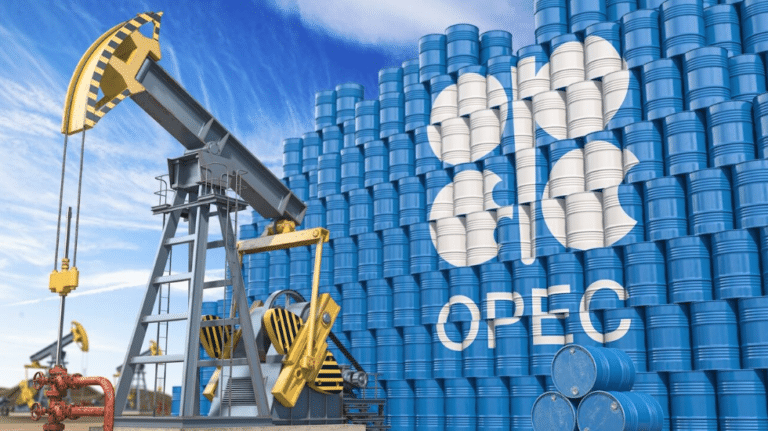
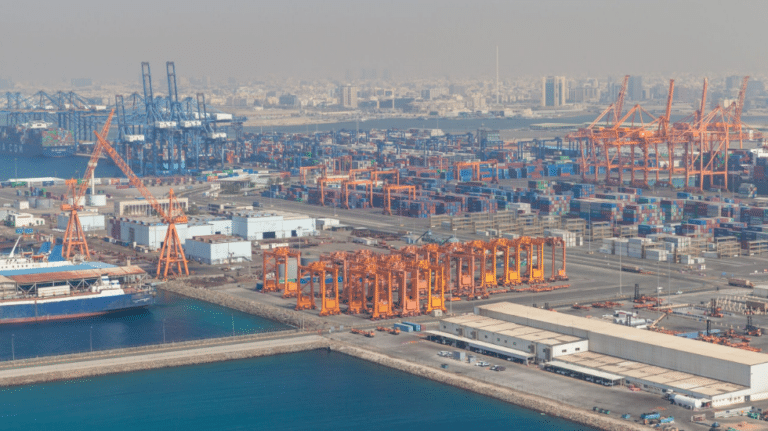
Postwar LNG: The New Guiding Principles Borrow from the Past
The Iran crisis, whenever it ends, will materially change how the LNG market operates.
Live Updates: Iran and the Conflict in the Middle East
The Center on Global Energy Policy is providing live updates on key developments related to the Iran crisis. Check back here for the latest.
Blog
by Anne-Sophie Corbeau, Erica Downs, Ira Joseph, Richard Nephew, Daniel Sternoff, Karen E. Young, Robin Mills & Neelesh Nerurkar • July 8, 2026