Daily Energy Markets Podcast
Enjoy the videos and music you love, upload original content, and share it all with friends, family, and the world on YouTube.
Get the latest as our experts share their insights on global energy policy.
Two economic planning documents released at the March meeting of China's National People’s Congress include the term "energy powerhouse" for the first time.
Hear in-depth conversations with the world’s top energy and climate leaders from government, business, academia, and civil society.
Much of the world’s attention today is understandably focused on conflict in the Middle East, and the immediate implications for energy markets and global security. But other regions...

Past Event
April 8, 2015
10:00 am - 11:30 am
Please join the Center on Global Energy Policy and the Harriman Institute for a panel discussion on China-Russia Energy Relations: Key Drivers and Implications.
In May 2014, one of the world’s largest oil and gas producers, Russia, agreed to supply China, the world’s largest energy consumer, with over $400 billion dollars worth of natural gas over 30 years. Six months later in November 2014, Russian and Chinese state-owned oil and gas companies agreed to an MOU that if implemented, would double the value of the deal signed in May. These agreements, which reflect a broader trend of growing energy ties between China and Russia, raise a series of questions, including:
What were the key drivers for the May and November deals, and what do these agreements portend for Sino-Russian energy and bilateral relations? How does it fit within the broader political and energy relationship between the two countries?
What is the broader impact of the deal for natural gas markets, in Asia and Europe specifically?
How do Western sanctions and Russias current economic woes affect the contours and potential implementation of the May and November deals? On energy cooperation more broadly?
To help address these questions, CGEP Inaugural Fellow David Sandalow will provide brief opening remarks and moderate a panel discussion featuring:
Edward Chow, Senior Fellow, Energy and National Security Program, Center for Strategic and International Studies
Erica Downs, Senior Analyst, Eurasia Group
James Henderson, Senior Research Fellow, Oxford Institute of Energy Studies
Morena Skalamera, Post-doctoral Research Fellow, Geopolitics of Energy Project, Belfer Center for Science and International Affairs, Harvard Kennedy School
Registration is required for in-person attendance.This event is open to press. It will also be livestreamed at: energypolicy.columbia.edu/watch (no registration is required to view the livestream).
A podcast of this event (in addition to other past Center events) will be available ~3 to 5 days after the date of the event through iTunes or via our website.
For more information contact: [email protected]
More than a month into the Iran conflict, the United States and Iran are at a critical inflection point.
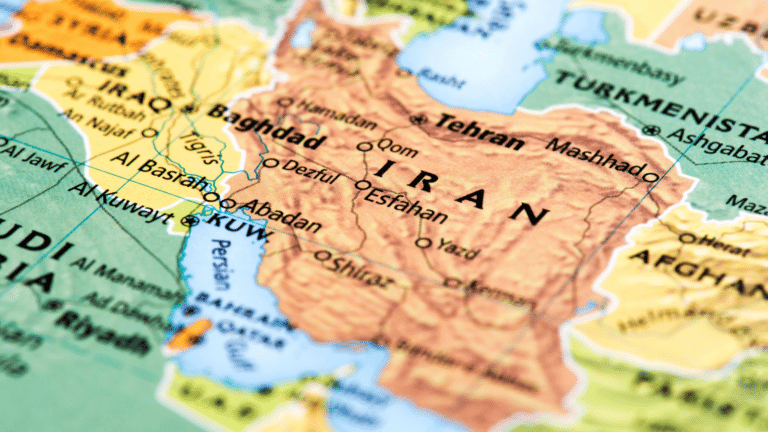

On February 28, the United States and Israel launched an attack on Iran, resulting in the deaths of Iranian Supreme Leader Ali Hosseini Khamenei and senior Iranian leaders...

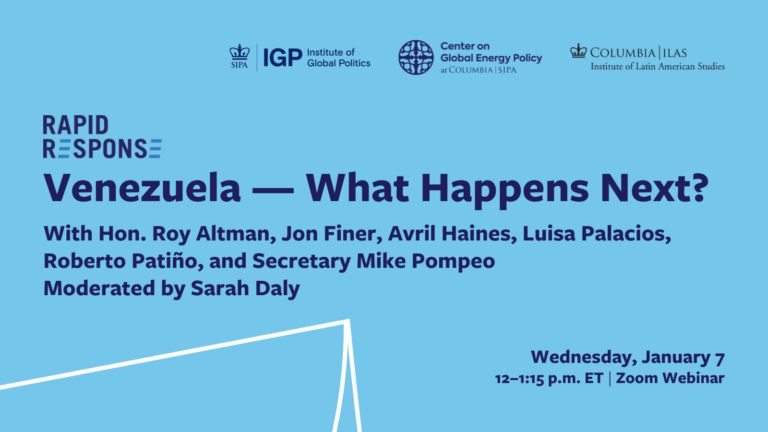
The recent military operation to remove Venezuelan President Nicolás Maduro and First Lady Cilia Flores raises several implications for the future of Venezuela and Latin America, geopolitics, and energy markets. Cosponsored by SIPA’s Institute of Global Politics (IGP) and Center for Global Energy Policy (CGEP), along with Columbia’s Institute of Latin American Studies (ILAS), this webinar will analyze the circumstances and impact of their capture and extradition to New York to face narcoterrorism and drug trafficking charges.
The Columbia Global Energy Summit 2026 is an annual event dedicated to thought-provoking discussions around the critical energy and climate challenges facing the global community.
The White House declared last week that President Trump finally "broke OPEC" after the United Arab Emirates withdrew from the cartel.
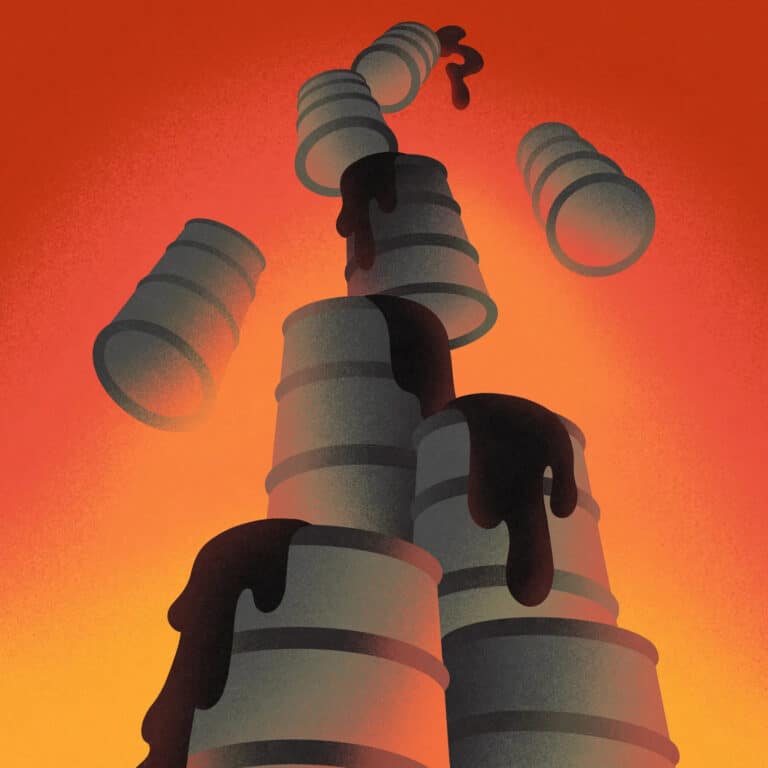

The US blockade of tankers serving Iran's oil exports is intended to cut Iranian oil exports to near-zero.