View / Hormuz limbo is now global oil’s top risk
Lost supply and a projected demand rebound have placed the oil market in a fragile equilibrium.
Get the latest as our experts share their insights on global energy policy.
President Trump issued a proclamation on August 6 imposing tariffs on polysilicon and solar products.

Hear in-depth conversations with the world’s top energy and climate leaders from government, business, academia, and civil society.
Abundance and affordability have become buzzwords among policymakers, who often have sharply different interpretations of how to attain them. To some, an energy abundance agenda means fewer regulatory...

Find out more about our upcoming and past events.
Join industry leaders, innovators, employers, and emerging talent for an evening exploring the technologies, trends, and career opportunities shaping the future of climate tech.

China is the world’s largest energy producer, energy consumer and greenhouse gas emitter. Many analysts believe that this year, China will surpass the US to become the world’s largest oil importer. China has the world’s largest shale gas resource and leads the world in the deployment of solar panels.
On this episode of Columbia Energy Exchange, host David Sandalow sits down with Fu Chengdu, who recently retired as Chair of Sinopec, a Chinese state-owned oil and gas company and the second largest company in the world according to Fortune Magazine. Among the topics they discussed:
This conversation was originally recorded on July 1, 2016.
Abundance and affordability have become buzzwords among policymakers, who often have sharply different interpretations of how to attain them. To some, an energy abundance agenda means fewer regulatory...
It started last year as a pressure campaign at sea, with the United States seizing tankers as part of what President Trump called a “total and complete blockade”...

Over the past five months, the Strait of Hormuz has been closed for extended stretches of time, disrupting roughly 10 to 15 million barrels of oil supply each...

As the demand for power surges across the US, the debate over how to build energy infrastructure has reached a fever pitch. And while both sides of the...
President Trump issued a proclamation on August 6 imposing tariffs on polysilicon and solar products.
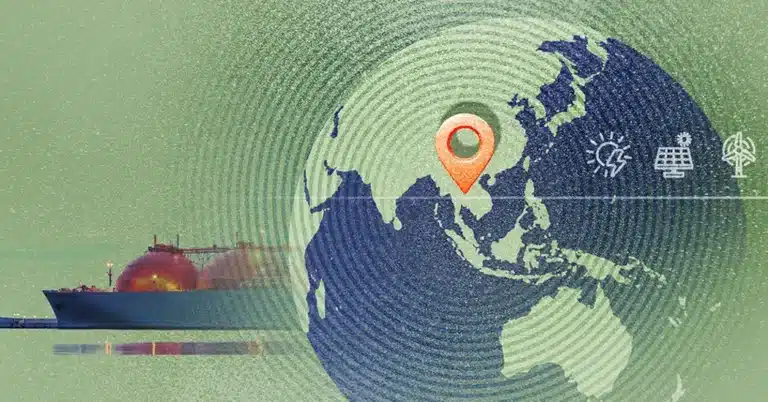
The centre of gravity of the global energy system has definitively shifted eastward, driven by rapid industrialisation, expanding urban populations, and rising
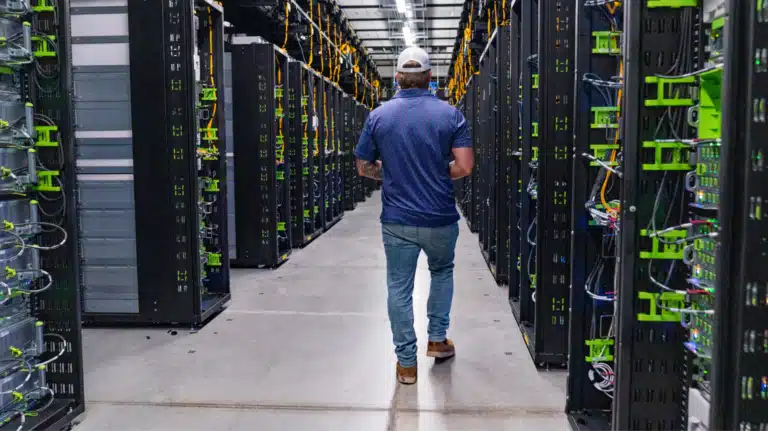
Data centers face growing local opposition as states impose moratoriums on hyperscale projects and grid connections. Communities can negotiate deals for tax revenue and jobs.
By almost any measure, the world should be suffering a far more severe energy crisis.