How This Historic Oil Disruption Could Reshape the Global Energy Markets
Iran, Strait of Hormuz, oil prices, solar energy, wind power, energy transition, China, renewables, global markets, energy security
Current Access Level “I” – ID Only: CUID holders, alumni, and approved guests only
To address the threat of climate change and reduce carbon emissions, many business leaders, economists, and policymakers–including prominent Republicans–have pushed for a carbon tax in the United States.
On a new episode of Columbia Energy Exchange, host Jason Bordoff sits down with Glenn Hubbard, the Dean of Columbia Business School, to understand how a carbon tax might be designed and what effects it would have on the U.S. economy and business. Glenn and Jason also discuss the outlook for the U.S. economy, President Trump’s tax reforms and tariffs on solar, steel and aluminum, as well as the role of business to mitigate climate change and how companies will address their exposure to climate risk.
Glenn has been a Columbia faculty member since 1988. In addition to his role as Dean, he currently serves as Russell L. Carson Professor of Finance and Economics. He was previously Chairman of the U.S. Council of Economic Advisers under President George W. Bush where he was instrumental in drafting President Bush’s tax plan. Glenn has also served as Deputy Assistant Secretary at the U.S. Department of the Treasury and he chaired the Economic Policy Committee of the OECD.

The climate policy landscape in the US is in flux. Last month, the Environmental Protection Agency repealed its own power to regulate greenhouse gases. Two weeks later, the...
As the US-Israeli military campaign against Iran enters its third week, the complexities of the global energy landscape are deepening by the hour. Shut-ins of Middle Eastern upstream...
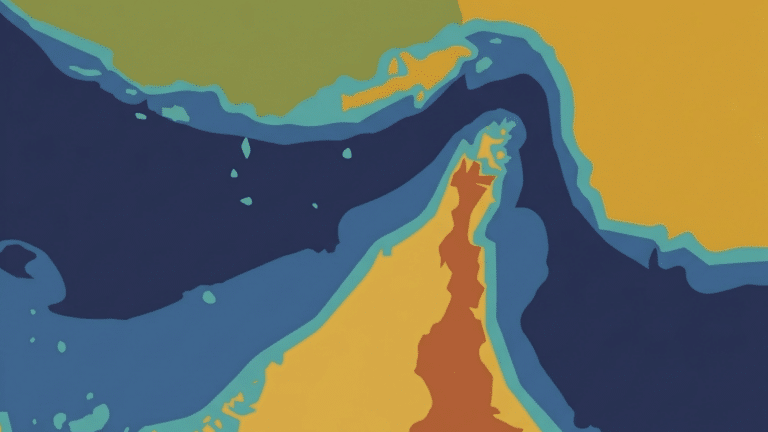
In energy markets, all eyes are on the Strait of Hormuz. As of March 11, 2026, this vital passage is effectively closed to tanker traffic, stranding almost a...
Since the US-Israeli bombing campaign began in Iran, energy markets around the world have been on edge as the conflict threatens immediate and long-term energy supplies. We’ve seen...
The oil shock triggered by the crisis in the Persian Gulf has pushed crude above $100 per barrel, reviving familiar fears of economic turmoil in the United States driven by surging gasoline and diesel prices.
On February 28, the US and Israel launched new attacks on Iran targeting primarily the country's leadership, security forces, and missile program.
On February 24, 2026, CGEP hosted a private virtual roundtable under the Chatham House rule to discuss the importance of an independent nuclear safety regulator.