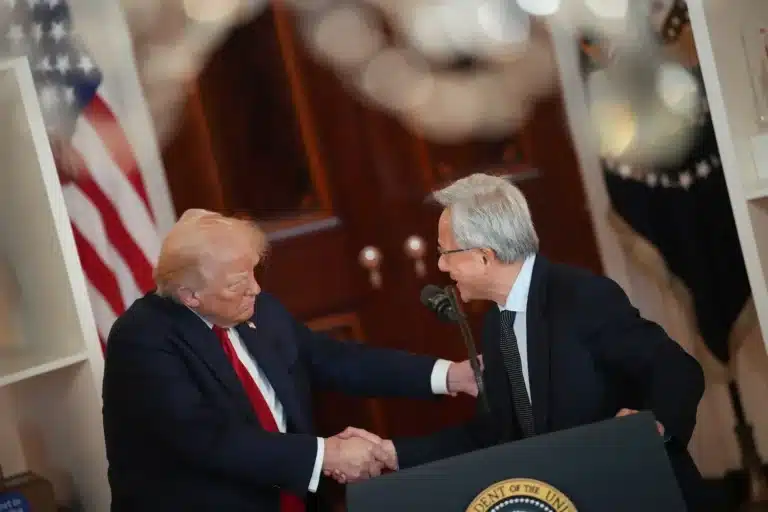
Could a strategic lithium reserve kickstart US supply chain development?
NEW YORK -- A strategic lithium reserve is being mooted as a solution to stabilize volatile prices that have hindered American mining projects, allowi
Current Access Level “I” – ID Only: CUID holders, alumni, and approved guests only
Get the latest as our experts share their insights on global energy policy.
This Energy Explained post represents the research and views of the author(s). It does not necessarily represent the views of the Center on Global Energy Policy. The piece...
Hear in-depth conversations with the world’s top energy and climate leaders from government, business, academia, and civil society.
If it seems like you're hearing a lot more about geothermal energy lately, that's because this clean, firm energy source is at a technological turning point. With roots...
Find out more about our upcoming and past events.
The Center on Global Energy Policy at Columbia University SIPA's Women in Energy initiative and Accenture invite you to join us for an evening of conversation and networking...

Cybersecurity is becoming a bigger focus for the United States as it strives to protect critical infrastructure from foreign adversaries and other intruders, and no infrastructure is more vital than that involving the delivery of electricity and other forms of energy.
In this edition of the Columbia Energy Exchange, host Bill Loveless sits down with Karen S. Evans, a recently confirmed assistant secretary at the U.S. Department of Energy (DOE). Evans heads DOE’s Office of Cybersecurity, Energy Security and Emergency Response, which was established earlier this year by Energy Secretary Rick Perry to place more accountability at the agency for these critical responsibilities.
Bill stopped by DOE headquarters in Washington this fall to discuss with Evans what the establishment of her new office means for DOE’s responsibilities in cybersecurity and what she will focus on in the days ahead. They also talked about the type of risks facing the U.S. electric grid, how the government and industry are responding to them.
They also discussed the relationship between Evans’ cybersecurity responsibilities and a broader effort at DOE to promote resiliency throughout the U.S. grid, including coal, nuclear and other types of electric power generation.
As DOE’s highest official for cybersecurity, Evans brings a long record of experience in information technology, having served as Administrator of the Office of Electronic Government and Information Technology (IT) at the Office of Management and Budget during the administration of George W. Bush. More recently, she was national director of the U.S. Cyber Challenge, a public-private program to help address the skills gap in the cybersecurity field.
If it seems like you're hearing a lot more about geothermal energy lately, that's because this clean, firm energy source is at a technological turning point. With roots...
Investment in clean energy technologies is on course to hit a record $2.2 trillion this year, according to the International Energy Agency. That’s more than twice the amount...

The national conversation around climate change is shifting. There’s more focus on energy affordability and demand, as well as on the dual role artificial intelligence plays as both...

The Federal Energy Regulatory Commission (FERC) regulates the United States’ energy transmission, pipeline networks, and wholesale rates for electricity. For much of its history, FERC was a little-known...
This Energy Explained post represents the research and views of the author(s). It does not necessarily represent the views of the Center on Global Energy Policy. The piece...
Geopolitical uncertainty associated with Russian gas exports could swing the range of those exports by an estimated 150 bcm per year.

From the east to west and north to south, in red states and blue states, attention to data centers is skyrocketing in state capitals across the United States.
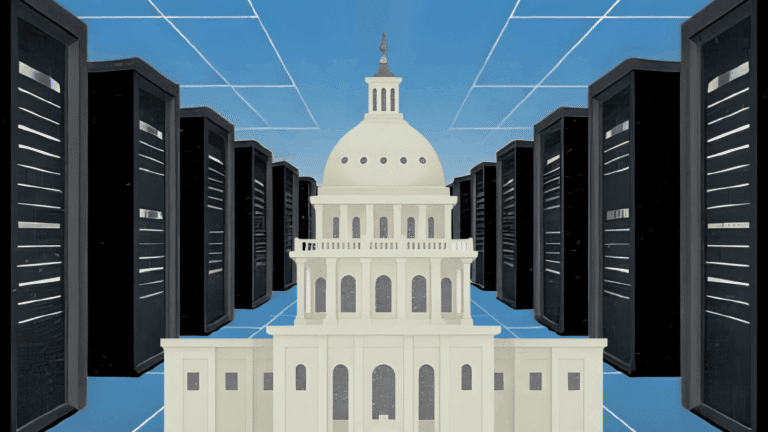
Trump’s latest proposal would cede the United States’ AI advantage.