Reflections from Munich 2026
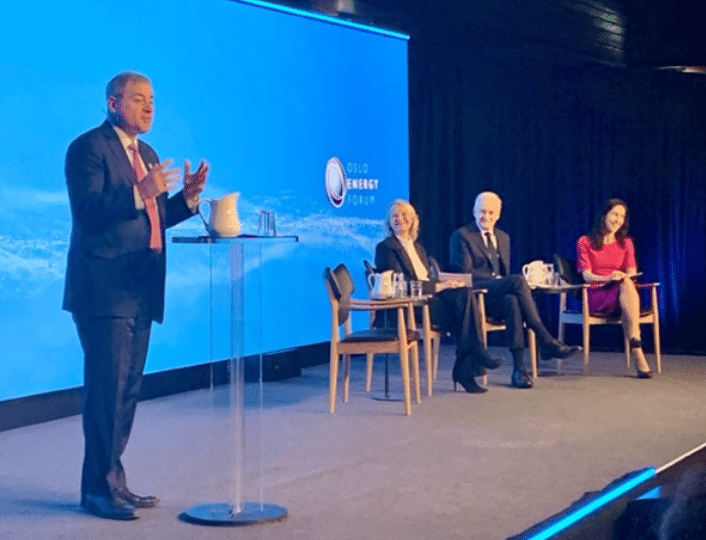
I’m en route home after a week in Europe—first at the Oslo Energy Forum and then at the Munich Security Conference. Munich generated considerable news and drama, but...
Current Access Level “I” – ID Only: CUID holders, alumni, and approved guests only
On February 22, 2016 the International Energy Agency (IEA) released its Medium Term Oil Market Report, projecting how global oil supply, demand and trade will evolve over the next five years at a time of historic upheaval in the global oil market. And oil is just one of the ways the global energy system is being transformed by new technologies, shifts in traditional supply and demand dynamics and growing concerns about climate change and energy poverty. On this episode of Columbia Energy Exchange, Dr. Fatih Birol, Executive Director of the International Energy Agency, sat down with host Jason Bordoff to discuss these and other changes shaping the global energy outlook.
This podcast was originally recorded on February 23, 2016.
The Trump administration has prioritized nuclear energy expansion, aiming to increase US nuclear capacity fourfold by 2050. This nuclear energy resurgence in the US is a rare issue...
As political support for clean energy has waxed and waned over the past twenty years, so has the government’s financial backing. In the 2010s, critics pointed to the...
With electricity prices on the rise, the future of our power grid is attracting a lot more attention. Surging demand is at the center of the story, but...
From the affordability crisis and the data center boom, to the US government’s campaign to reinvigorate the Venezuelan oil market, energy is dominating headlines in unusual ways. And...
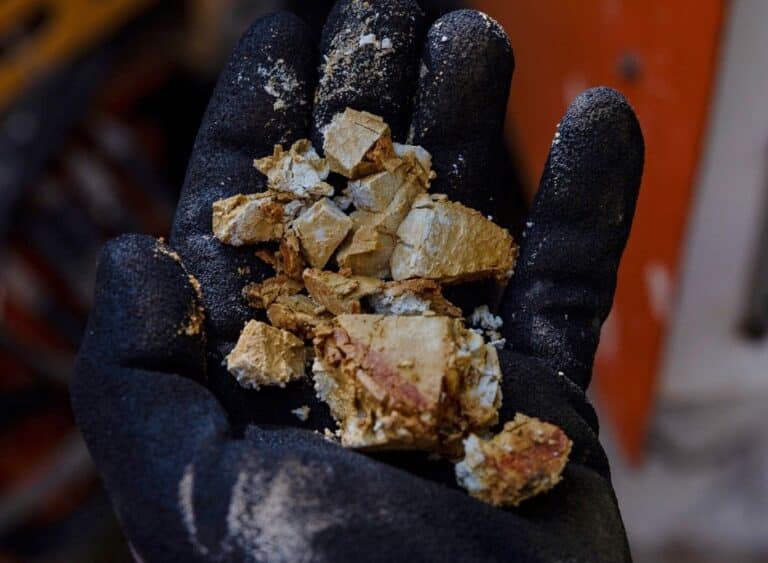
Securing critical minerals is a top priority of governments around the world.
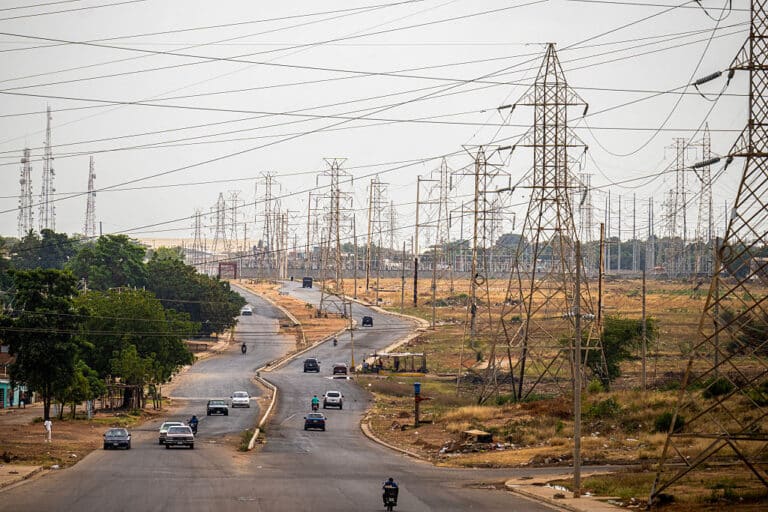
Having enough electricity is key to the nation’s post-Maduro recovery. Two experts offer a way forward.
Elemento decisivo será coordenação estratégica
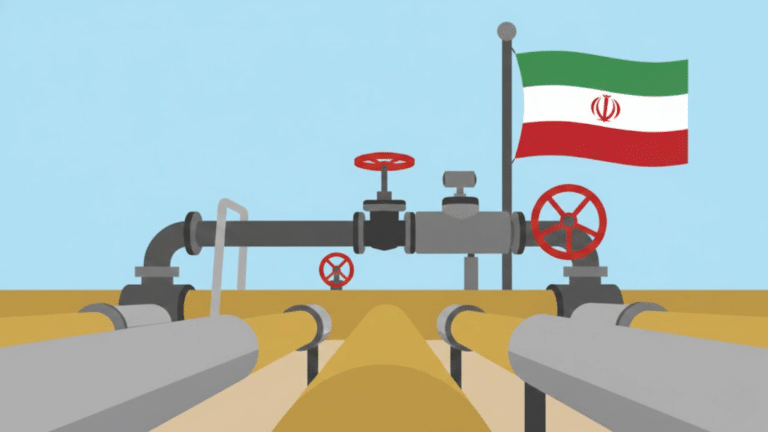
Iran has among the world's largest natural gas resource bases, but its ability to supply regional and global markets is constrained by sanctions, underinvestment, and limited export infrastructure.