This website uses cookies as well as similar tools and technologies to understand visitors’ experiences. By continuing to use this website, you consent to Columbia University’s usage of cookies and similar technologies, in accordance with the Columbia University Website Cookie Notice.
This week, Chinese President Xi Jinping travels to Washington for a state visit with President Trump, their second face-to-face meeting this year. Energy is likely to be high...
The Center on Global Energy Policy at Columbia University SIPA will host a series of energy and climate focused events this September during Climate Week NYC.
Event
About Us
We are the premier hub and policy institution for global energy thought leadership. Energy impacts every element of our lives, and our trusted fact-based research informs the decisions that affect all of us.
After decades without growth, electricity demand is surging, driven by energy-hungry data centers, new energy-intensive manufacturing facilities, and the increasing electrification of transportation and heating.
Governments in developed economies have expanded the use of public financing tools to support clean energy and critical materials technology development over the past decade.
White Paper
by Tom Moerenhout & Sofia Parker• September 20, 2026
Explore our Work
All Publications
Topics
Regions
Types
Dates
Artificial Intelligence
Climate Change
Critical Minerals
Energy for Development
Energy Justice
Energy Markets
Energy Policy
Energy & Public Health
Energy Security
Finance & Economics
Fossil Energy
Geopolitics
Hydrogen
Industrial Decarbonization
Innovation & Technology
Natural Gas
Nuclear Energy
Oil
Power Sector
Renewable Energy
Trade Policy
Transportation
Asia + Pacific
China
Europe
India
Latin America
Middle East + North Africa
Sub-Saharan Africa
North America
Russia
Report
Commentary
Op-eds & Essays
Testimonies & Speeches
Task Force Report
White Paper
Q&A
Dataset
Summary
Fact Sheet
Books
External Publication
Blog
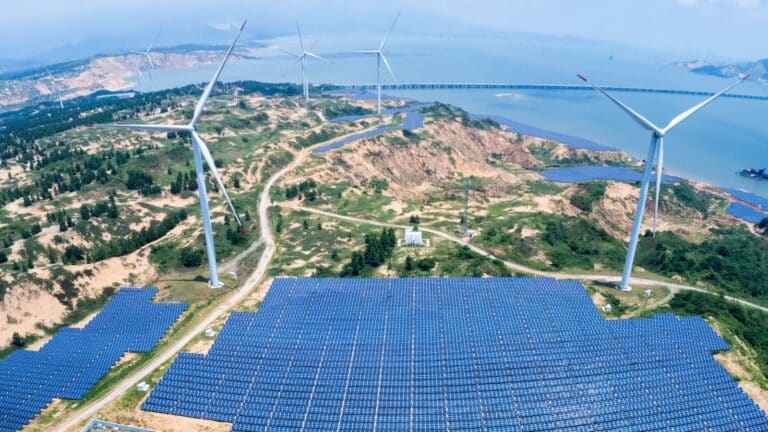
Over the past decade, governments in developed economies have expanded the use of public financing tools to support the development of clean energy and critical materials technologies.
Task Force Report
by Tom Moerenhout & Sofia Parker• September 20, 2026
CHRONIQUE. Les réserves de gaz européennes affichent des taux de remplissage dangereusement faibles en ce début d’automne; que se passera-t-il si l’hiver est très froid, se demande la spécialiste de l’énergie de l’Université Columbia Anne-Sophie Corbeau
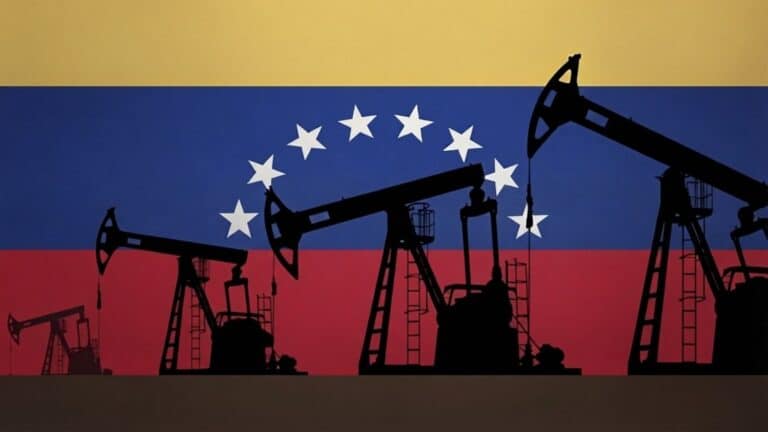
The White House announced last week an oil deal for more than 65 billion barrels of oil reserves in Venezuela and a 35% equity stake in North American Blue Energy Partners (NABEP).
The Hormuz crisis is the latest in a series of disruptions that have exposed the continent’s energy vulnerabilities. The time to build resilience is between crises, not during them.
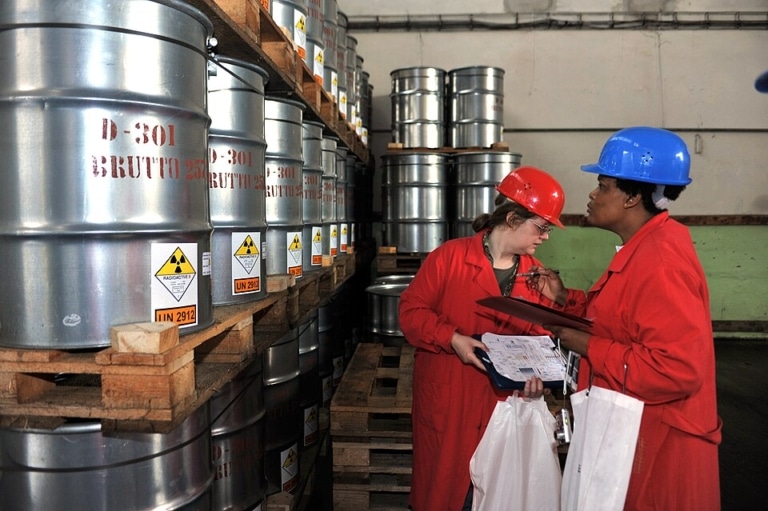
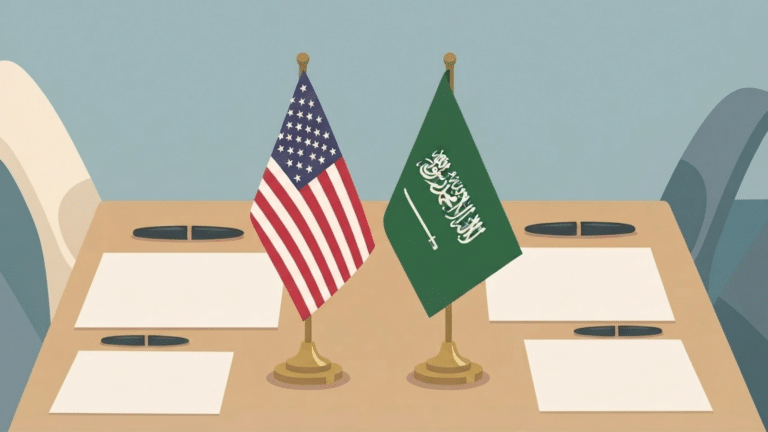
The Trump administration and Saudi leadership have reportedly agreed to a nuclear agreement that could enable US nuclear technology transfers to Saudi Arabia.
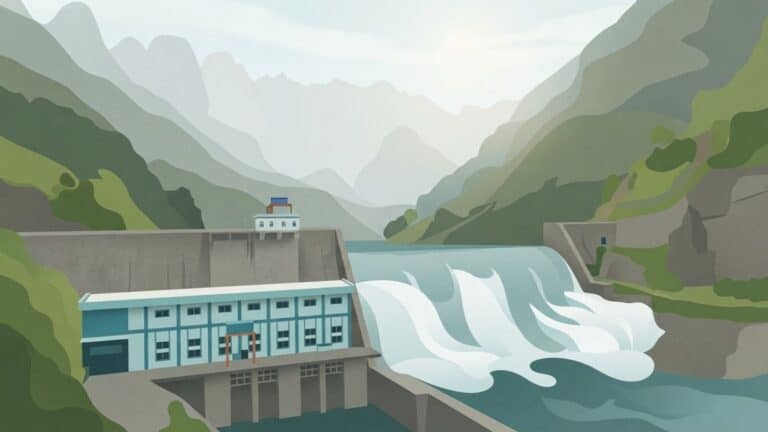
The Nepal flood that has left 1,000 people dead and close to 4,000 people missing, as of September 1, has also damaged hydropower plants that the country relies on.