Net Power Surrendered Its Clean Dreams to Data Center Demand
The zero-emission pioneer is doing the dirty work for the AI boom.
Get the latest as our experts share their insights on global energy policy.
This Energy Explained post represents the research and views of the author(s). It does not necessarily represent the views of the Center on Global Energy Policy. The piece...
Hear in-depth conversations with the world’s top energy and climate leaders from government, business, academia, and civil society.
After years of trying, the US may be on the cusp of a nuclear renaissance. Commercial nuclear generation began in this country in 1958. Today, the US has...

Find out more about our upcoming and past events.
The Center on Global Energy Policy (CGEP) at Columbia University’s School of International and Public Affairs and ReNew invite you to Columbia India Energy Dialogue 2026, taking place...

Op-eds & Essays by Jason Bordoff • June 08, 2016
One of the most exciting areas of advanced manufacturing is 3-D printing. While it has been around for many years to produce crude prototypes, 3-D printing is now being used to make everything from jet engines and complex machine parts to bridges and buildings, artificial limbs and biomedical tissue. One company is even producing 3-D printing machines for use by NASA in space to avoid costly space flights to supply the International Space Station. It is still too early to determine the full potential of 3-D printing, but the technology is advancing quickly. Yet the environmental impacts of 3-D printing have been little studied, and may cut the other way too, writes Jason Bordoff in the Wall Street Journal.

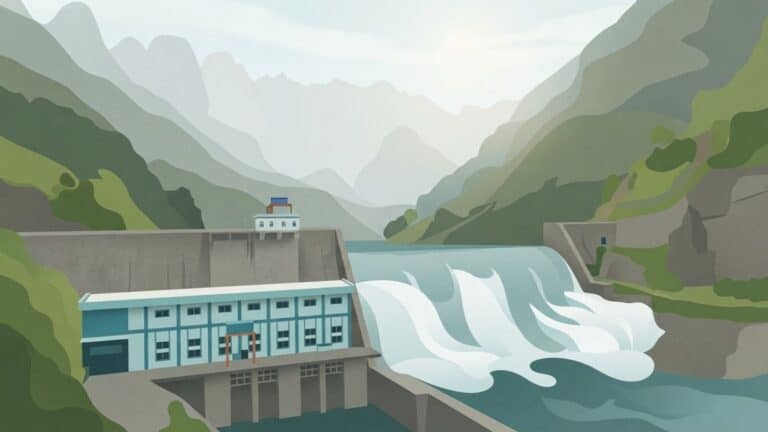
The Nepal flood that has left 1,000 people dead and close to 4,000 people missing, as of September 1, has also damaged hydropower plants that the country relies on.
Why U.S. economic models must account for climate change and the clean energy transition to improve policymaking, forecasting, and public investment decisions.
Full report
Op-eds & Essays by Jason Bordoff • June 08, 2016