Compétitivité européenne : deux ans après les propositions énergétiques du rapport Draghi divisent les experts
L'essentiel de l'actualité du gaz naturel, des gaz renouvelables et de l'hydrogène
Get the latest as our experts share their insights on global energy policy.
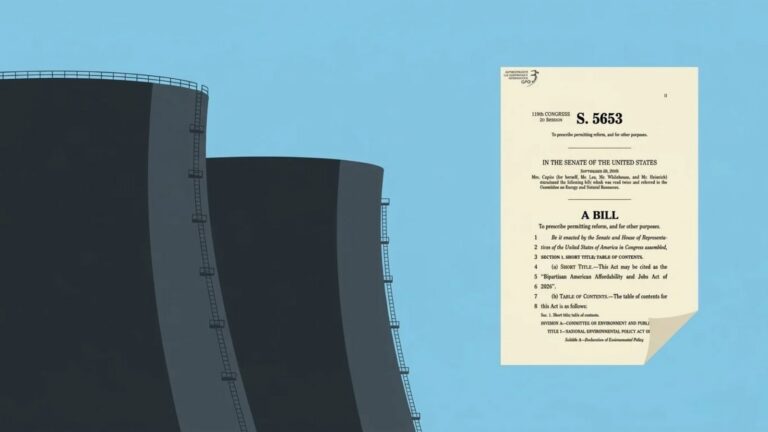
The BAAJA bill could facilitate nuclear development by streamlining federal environmental reviews and providing greater certainty for permitted projects.
Hear in-depth conversations with the world’s top energy and climate leaders from government, business, academia, and civil society.
Energy costs are a big consideration for voters in much of the US today as they head to the polls. But the decisions that shape those costs will...

Find out more about our upcoming and past events.
Energy storage is quickly becoming core infrastructure for the clean energy transition.

Op-eds & Essays by Jason Bordoff • June 29, 2018
New digital tools are transforming the energy sector, connecting everything from household appliances to electric vehicles to smart sensors, and improving the efficiency of infrastructure from transmission lines to power plants to pipelines. These technologies promise smarter, cleaner, and cheaper energy. Unfortunately, they also leave the U.S. increasingly vulnerable to cyberattacks. Writing in the Wall Street Journal, CGEP Director Jason Bordoff discusses how to protect the connected energy grid.
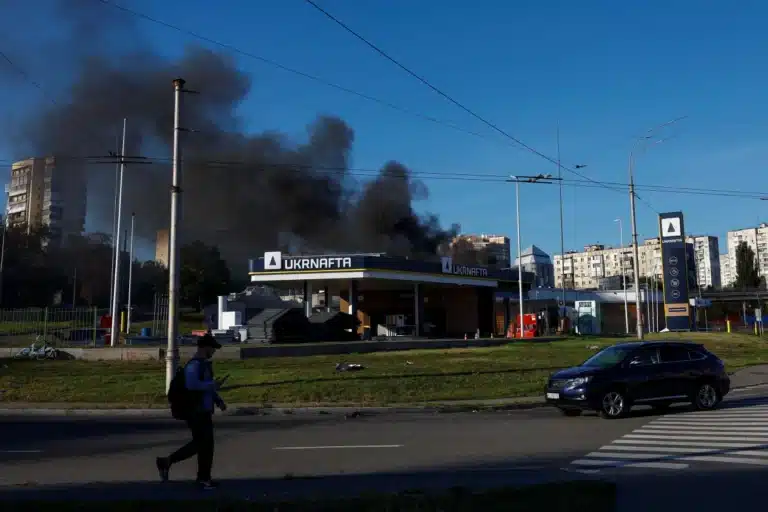
Tatiana Mitrova, a fellow at Columbia University’s Center on Global Energy Policy and former energy scholar at Moscow’s Russian Academy of Sciences, and Sergey Vakulenko, an oil and gas expert at Carnegie’s Russia Eurasia Center, argue that Russia and Ukraine are locked in an energy war that has become an adaptation spiral, despite growing human and economic costs and despite current US pressure on Ukraine. They observe Ukraine’s remarkable ability to withstand Russian strikes, while questioning claims that long-range Ukrainian strikes will be able to achieve game-changing damage on Russia. Ukraine and Russia have transformed the role of energy warfare in modern conflict, drawing on low costs drones but also new forms of technological resilience that are likely to make wars longer and more dangerous.
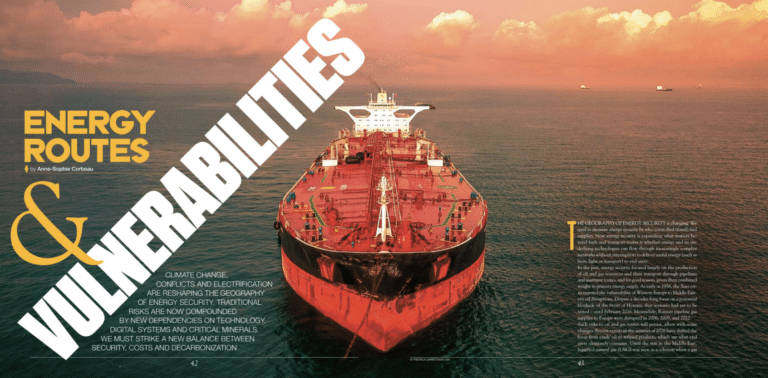
The Hormuz crisis is the latest in a series of disruptions that have exposed the continent’s energy vulnerabilities. The time to build resilience is between crises, not during them.
Full report
Op-eds & Essays by Jason Bordoff • June 29, 2018