The LNG Boom Has a Demand Problem
Explore the outlook for global LNG demand as supply expands, prices remain high and renewables, batteries and coal compete with gas.
Get the latest as our experts share their insights on global energy policy.
The shift in the balance of political power will help determine which US policies can be funded and sustained over the next two years.
Hear in-depth conversations with the world’s top energy and climate leaders from government, business, academia, and civil society.
Earlier this month, US voters handed Democrats control of both chambers of Congress and flipped several governorships across the country. The dramatic shift in power raises big questions...

Find out more about our upcoming and past events.
This student-only roundtable gives students a chance to explore the connections between global energy markets, geopolitics, finance, and career opportunities across the energy sector.

Border carbon pricing and product standards change the conditions under which carbon-intensive goods enter the EU market, but do not induce the transformation of the industrial assets that produce them. This report examines whether Clean Trade and Investment Partnerships (CTIPs) can help address this gap.

Tatiana Mitrova, a fellow at Columbia University’s Center on Global Energy Policy and former energy scholar at Moscow’s Russian Academy of Sciences, and Sergey Vakulenko, an oil and gas expert at Carnegie’s Russia Eurasia Center, argue that Russia and Ukraine are locked in an energy war that has become an adaptation spiral, despite growing human and economic costs and despite current US pressure on Ukraine. They observe Ukraine’s remarkable ability to withstand Russian strikes, while questioning claims that long-range Ukrainian strikes will be able to achieve game-changing damage on Russia. Ukraine and Russia have transformed the role of energy warfare in modern conflict, drawing on low costs drones but also new forms of technological resilience that are likely to make wars longer and more dangerous.
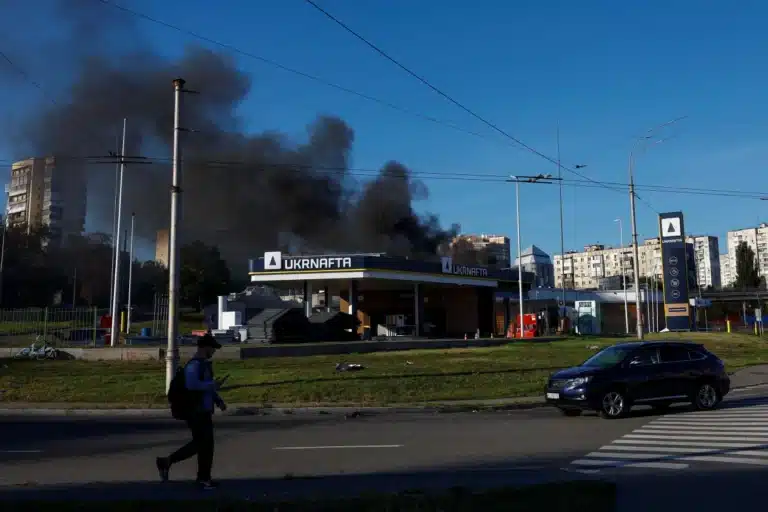
This Energy Explained post represents the research and views of the author(s). It does not necessarily represent the views of the Center on Global Energy Policy. The piece...

Reporting in the New York Times suggests a key element in the Trump administration's Russia-Ukraine peace plan involves Europe resuming Russian gas imports.
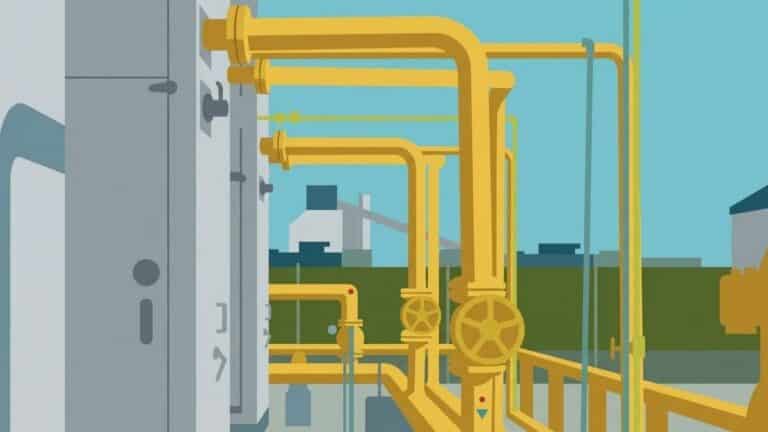
CHRONIQUE. Les réserves de gaz européennes affichent des taux de remplissage dangereusement faibles en ce début d’automne; que se passera-t-il si l’hiver est très froid, se demande la spécialiste de l’énergie de l’Université Columbia Anne-Sophie Corbeau

By almost any measure, the world should be suffering a far more severe energy crisis.

Think tank indipendente per la transizione energetica e industriale dell'Italia
CHRONIQUE. Nouvelles usines de liquéfaction et augmentation des exportations expliquent, entre autres, pourquoi les prix du gaz ne connaissent pas le pic observé en 2022, lors de l’invasion de l’Ukraine. Mais cette stabilité des prix ne traversera pas l’été, écrit Anne-Sophie Corbeau, spécialiste de l’énergie au Center on Global Energy Policy de l’Université Columbia
Europe is entering the 2026 gas injection season with its lowest level of gas in storage since 2018.

Explore the latest energy and climate change news and research from Europe.