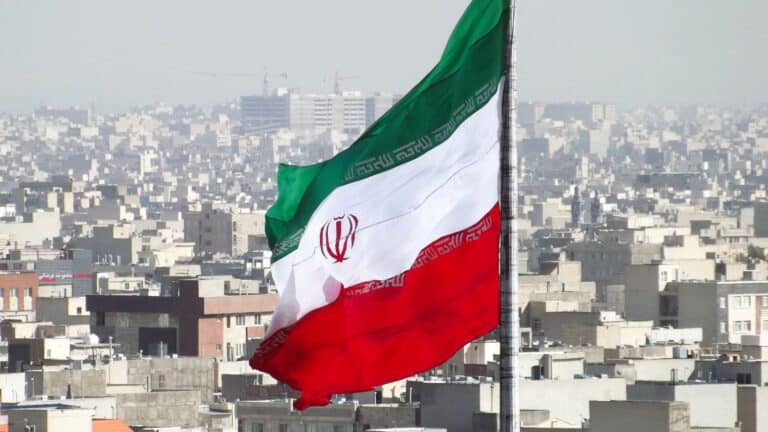
Gulf crisis tests China’s energy stockpile
China’s crude stockpiles and rising domestic gas output are an energy buffer against Gulf disruption in the short term
Current Access Level “I” – ID Only: CUID holders, alumni, and approved guests only
Our current geopolitical environment can be characterized as a “mega-VUCA” world. In this volatile, uncertain, complex, and ambiguous environment, energy and geopolitics remain closely intertwined. The fate of the North American Free Trade Agreement (NAFTA) or Brexit could have significant energy market implications. Similarly, US sanctions policy could have an impact on energy supply and European energy security. Tensions between Qatar and its partners in the Gulf Cooperation Council could disrupt global LNG markets. And fragmenting relations among nations could disrupt energy trade flows around the world.
On October 11–12, 2017, Columbia University’s Center on Global Energy Policy, in collaboration with Statoil’s Global Strategy and Business Development unit, hosted a workshop at the Columbia Global Center in Paris to explore the intersection of energy and geopolitics in oil and gas markets, in climate policy, and across a range of cross-cutting topics, such as national security and cybersecurity. This summary highlights the main points of discussion during the two-day workshop, which was conducted under the Chatham House Rule on a nonattribution basis.
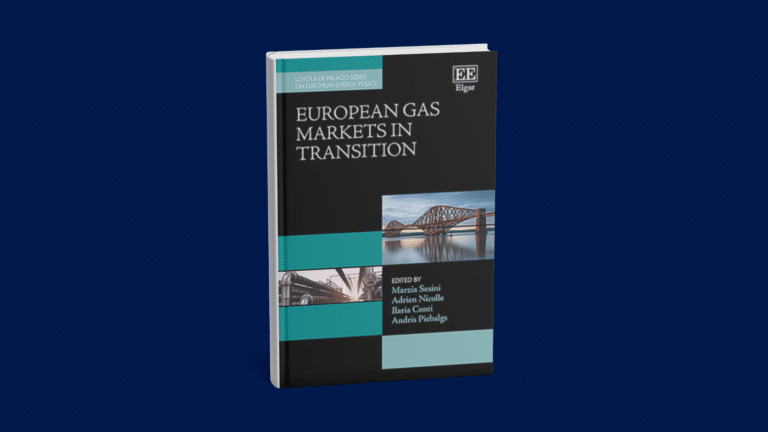
Anne-Sophie Corbeau and leading experts explore how Europe's gas sector is being reshaped by geopolitical shocks.
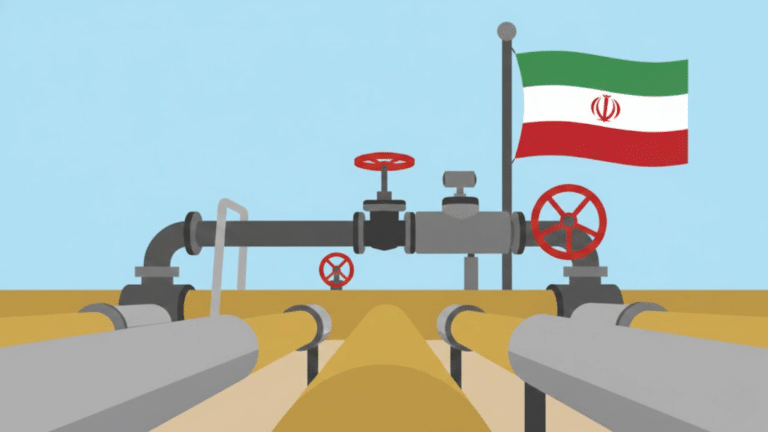
Iran has among the world's largest natural gas resource bases, but its ability to supply regional and global markets is constrained by sanctions, underinvestment, and limited export infrastructure.
From the east to west and north to south, in red states and blue states, attention to data centers is skyrocketing in state capitals across the United States.
Full report
Summaries by , , • December 11, 2017