US oil stockpiles offset Saudi Arabia supply worries
Oil prices fell on Wednesday as US crude stockpiles rose, with fears of further escalation in the Saudi Arabia and Houthis conflict
Get the latest as our experts share their insights on global energy policy.
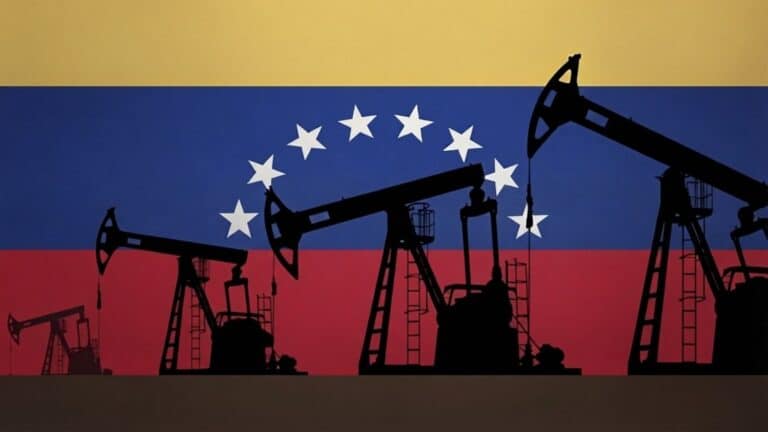
The White House announced last week an oil deal for more than 65 billion barrels of oil reserves in Venezuela and a 35% equity stake in North American Blue Energy Partners (NABEP).
Hear in-depth conversations with the world’s top energy and climate leaders from government, business, academia, and civil society.
More than six months into the war with Iran, the Strait of Hormuz crisis continues to cause turmoil in the Gulf region and global energy markets with no...

Find out more about our upcoming and past events.
Join industry leaders, innovators, employers, and emerging talent for an evening exploring the technologies, trends, and career opportunities shaping the future of climate tech.

Report by Richard Nephew • July 14, 2016
One year ago, the United States and its partners concluded their negotiations with Iran on the Joint Comprehensive Plan of Action (JCPOA), an agreement intended to reduce the threat from Iran’s nuclear program in exchange for economic sanctions relief. Implementation of the agreement began in January 2016. Richard Nephew, program director for economic statecraft, sanctions and energy markets at the Center on Global Energy Policy, who was the lead sanctions negotiator for the United States with Iran from 2013-2014, has written a report on six months’ implementation of the nuclear deal, particularly with respect to sanctions relief. He concludes that sanctions relief has been stalled as much by concerns over residual sanctions as domestic regulatory factors and low oil prices globally. His report can be found here [PDF].
Nephew also testified before the Senate Foreign Relations Committee on the same subject. His written testimony can be found here.
Finally, highlights from Nephews’s report can also be found in his conversation with Bill Loveless in a special edition of the Columbia Energy Exchange podcast. Listen here. Among the topics they discuss are:
The White House announced last week an oil deal for more than 65 billion barrels of oil reserves in Venezuela and a 35% equity stake in North American Blue Energy Partners (NABEP).
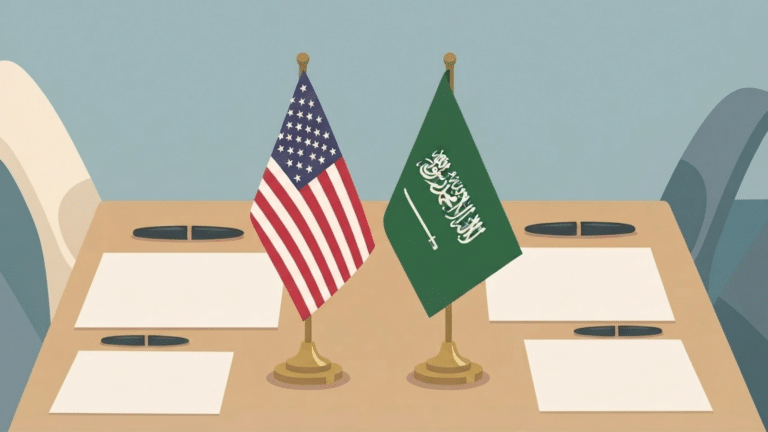
The Trump administration and Saudi leadership have reportedly agreed to a nuclear agreement that could enable US nuclear technology transfers to Saudi Arabia.
Full report
Report by Richard Nephew • July 14, 2016