U.S.-Iran MOU tension points are in Lebanon, says Columbia’s Karen Young
Karen Young, Columbia University, joins 'Power Lunch' to discuss the latest agreement between the U.S. and Iran, what could terminate the MOU and much more.
Get the latest as our experts share their insights on global energy policy.
Critical minerals were once again near the top of the agenda for G7 leaders as they met in Évian, France, this week, a year after the G7 launched the Critical Minerals Action Plan.

Hear in-depth conversations with the world’s top energy and climate leaders from government, business, academia, and civil society.
Yesterday, the US and Iran signed a memorandum of understanding starting the clock on a 60-day truce. The agreement intends to halt attacks, begin lifting the US naval...
Find out more about our upcoming and past events.
This event will take place in-person in Washington DC, at the Rayburn House Office Building, Room 2168 (Gold Room). Advance registration is required. Announcing New Columbia University Publications...
Climate change is one of the central challenges of the 21st century. Building and linking the policies, technologies, financial systems, and markets needed to achieve climate goals is key to addressing this challenge.
The UNFCCC process is marred by gridlock in the COP multilateral framework, threatening joint efforts by countries to mitigate the climate crisis.
On March 20, Governor Kathy Hochul proposed significant changes to New York’s Climate Leadership and Community Protection Act (CLCPA), the landmark climate law passed in 2019.

In January 2026, the UK government publicly released an intelligence report analyzing the security implications of global environmental destruction.
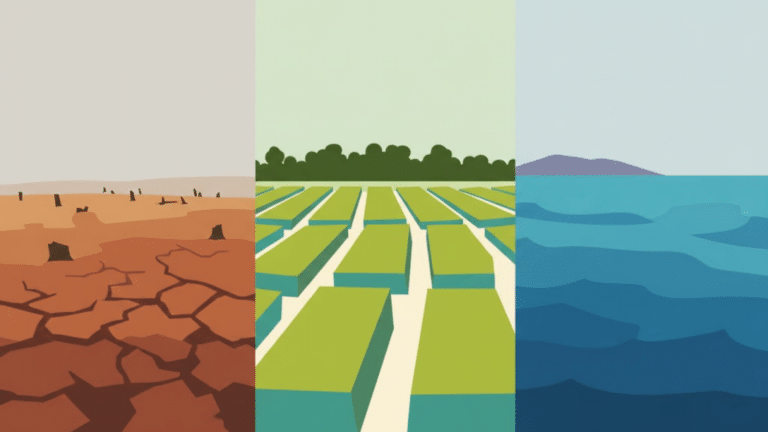
Models can predict catastrophic or modest damages from climate change, but not which of these futures is coming.

On November 6, 2025, in the lead-up to the annual UN Conference of the Parties (COP30), the Center on Global Energy Policy (CGEP) at Columbia University SIPA convened a roundtable on project-based carbon credit markets (PCCMs) in São Paulo, Brazil—a country that both hosted this year’s COP and is well-positioned to shape the next phase of global carbon markets by leveraging its experience in nature-based solutions.
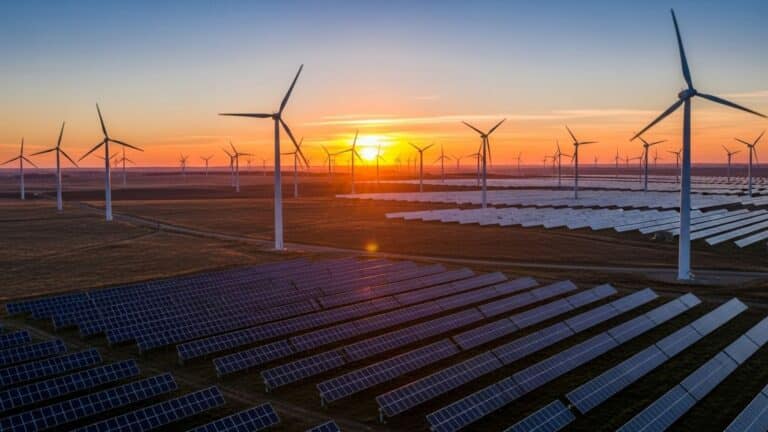
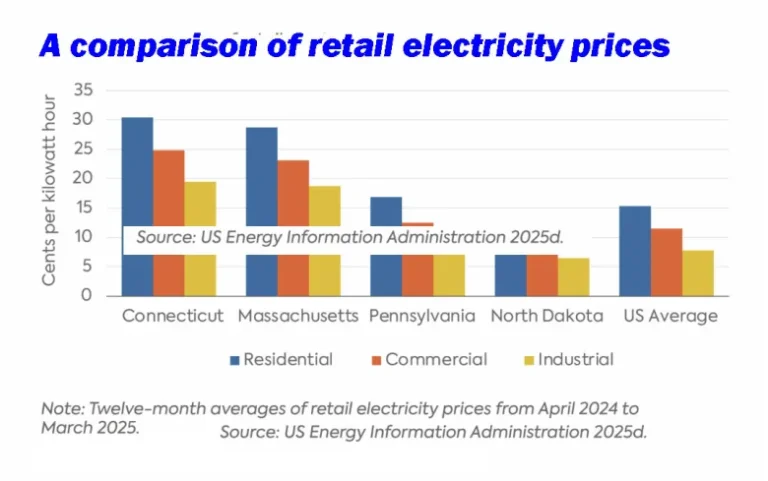
Connecticut needs an honest debate, and fresh thinking, to shape a climate strategy fit for today, not 2022.
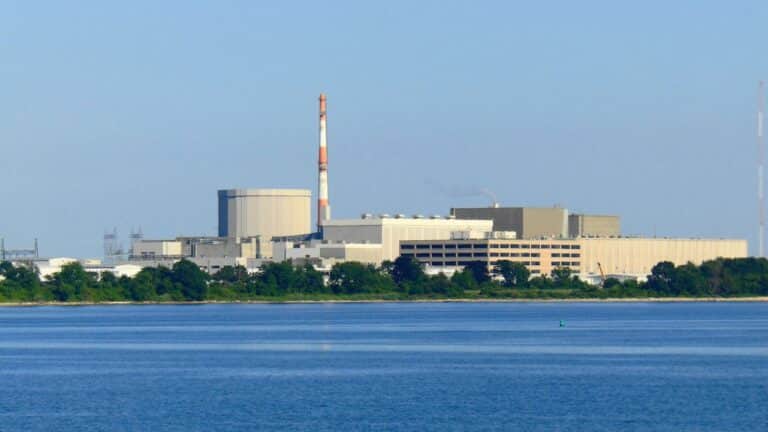
As diplomats meet in Brazil for COP30, global resolve to tackle the climate challenge appears badly frayed.
The fashion industry sits at the intersection of climate, energy, and consumption, facing growing pressure to cut emissions, transition to clean energy, and build circular systems across global supply chains.