Morocco puts African Atlantic Gas Pipeline into UN financing pitch as Q4 FID target looms
Morocco has brought the roughly $25bn African Atlantic Gas Pipeline (AAGP) into a broader push for private and multilateral development capital as ...
Get the latest as our experts share their insights on global energy policy.
The Center on Global Energy Policy is providing live updates on key developments related to the Iran crisis. Check back here for the latest.

Hear in-depth conversations with the world’s top energy and climate leaders from government, business, academia, and civil society.
Seven months into the largest oil supply disruption in history, there's still no resolution in sight. This week, on the sidelines of the UN General Assembly, US and Iranian officials held their first indirect talks since the Memorandum of Understanding collapsed in July—but neither side appears ready for concessions.

Find out more about our upcoming and past events.
Apply to Register The Center on Global Energy Policy at Columbia University SIPA’s Women in Energy initiative invites Columbia University students to a roundtable discussion with Pam Brown,...

Aging infrastructure, distributed generation, storage and new consumer technologies are precipitating reconfiguration of the power sector.
After decades without growth, electricity demand is surging, driven by energy-hungry data centers, new energy-intensive manufacturing facilities, and the increasing electrification of transportation and heating.
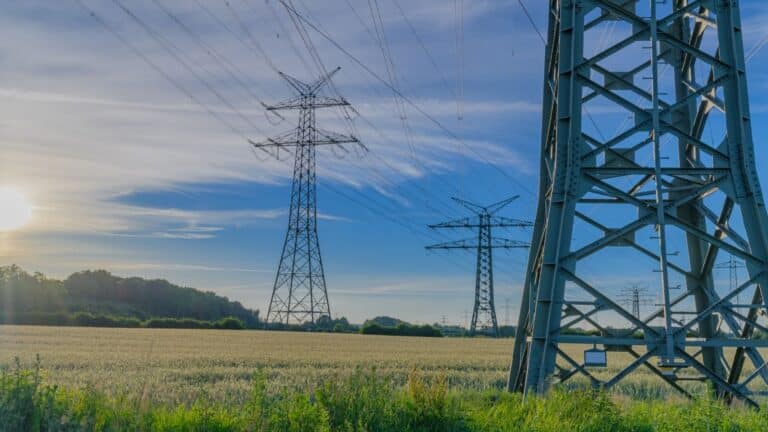
Data centers face growing local opposition as states impose moratoriums on hyperscale projects and grid connections. Communities can negotiate deals for tax revenue and jobs.
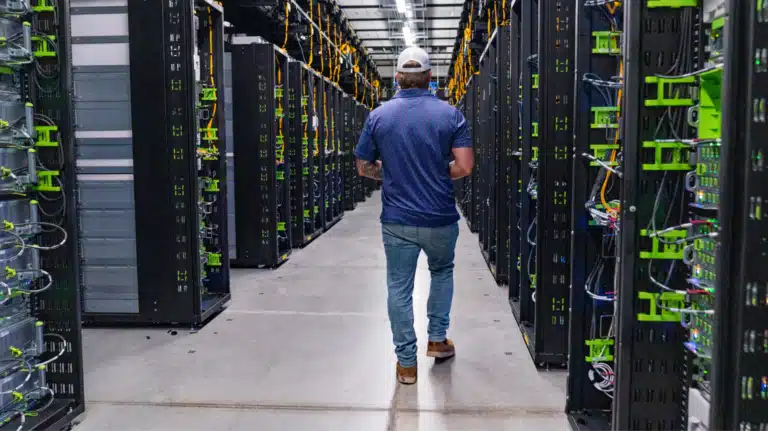
When the One Big Beautiful Bill Act was enacted, a widespread reading was that US power-sector decarbonization had been derailed.
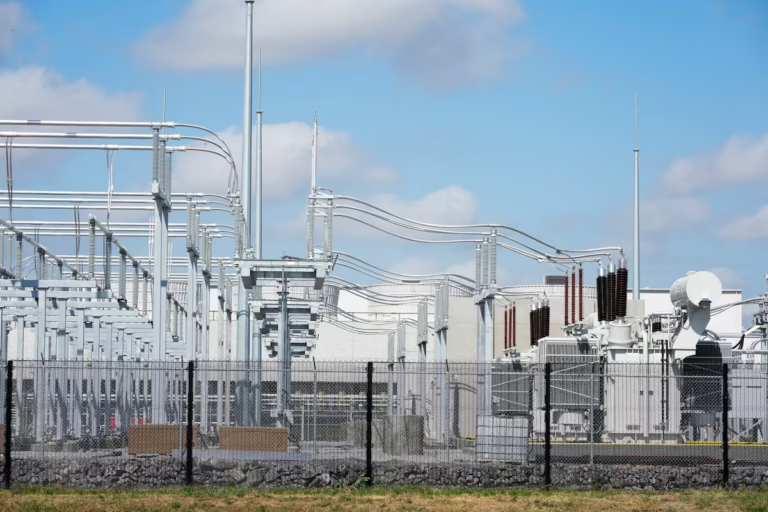
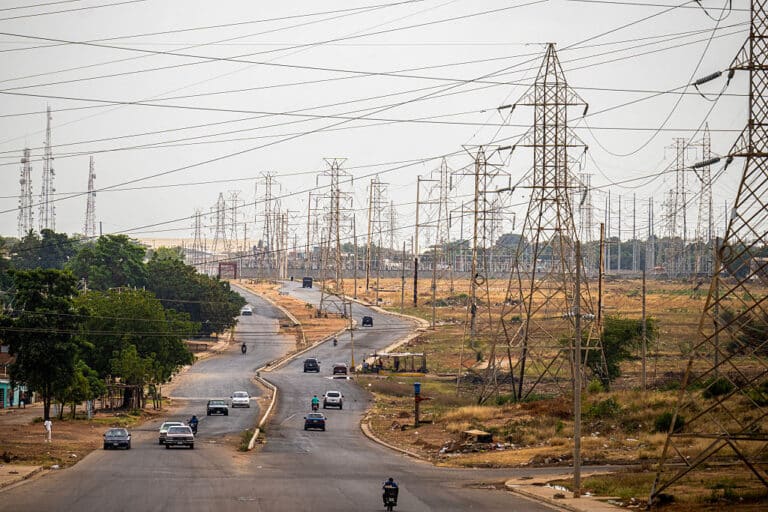
Having enough electricity is key to the nation’s post-Maduro recovery. Two experts offer a way forward.
As the US and Europe navigate a difficult and uneven shift toward full battery electric vehicles (BEVs), the US and EU auto markets are under heavy pressure.
